I Love Cats Journal KDP Interior Design Guide
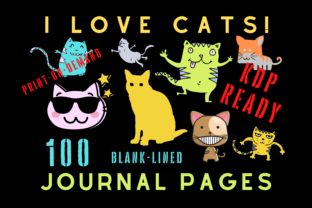
Creating a successful low-content book on Amazon requires more than just uploading a generic lined template. The I Love Cats Journal KDP Interior offers a specific solution for publishers targeting the massive feline enthusiast niche. This 100-page, 6×9 trim size interior is engineered for immediate upload, featuring a no-bleed PDF format that eliminates common printing errors. Rather than relying on repetitive stock patterns, this interior utilizes a structured alternation of ten unique cat illustrations repeated throughout the book. This design choice balances visual interest with functional writing space, making it a practical asset for KDP creators who want to offer something distinct from standard notebooks.
Visual Personality and Niche Alignment
The appeal of this interior lies in its curated aesthetic. In the crowded journal market, specificity sells. A generic "animal lover" notebook often fails to convert because it lacks emotional resonance. The I Love Cats Journal KDP Interior succeeds by committing fully to a cohesive theme. The ten unique illustrations provide enough variety to prevent user fatigue while maintaining a consistent brand identity across all 100 pages. For designers and marketers, this consistency is crucial. It transforms a simple utility item into a themed experience.
From a typography and layout perspective, the illustrations act as visual anchors. They break up the monotony of lines or blank space, creating a rhythm that encourages engagement. When evaluating this asset, consider how the artwork interacts with potential cover designs. The interior’s style supports various creative font choices on the cover, from playful handwritten fonts to elegant serif fonts. The key is ensuring the cover's typographic voice matches the interior's illustration style. If the interior features whimsical line art, a rigid geometric sans serif font on the cover might create cognitive dissonance. Aligning these elements creates a professional product that feels intentionally designed rather than assembled.
Strategic Applications for Publishers and Creators
While primarily a physical product, the concepts behind this interior apply broadly across digital and print projects. For content creators and bloggers in the pet niche, understanding why this interior works can inform digital product creation, such as printable planners or social media templates. The principle of alternating unique assets is a staple of effective editorial design. It maintains reader attention without overwhelming the primary function of the medium.
- KDP Low-Content Books: The primary use case. Perfect for gratitude journals, dream diaries, or daily logs targeting cat owners.
- Digital Planners: Adapt the 10-image rotation for iPad planner stickers or background textures to maintain theme consistency.
- Social Media Graphics: Use similar alternating visual motifs in Instagram carousels to build recognizable brand identity.
- Packaging Design: Apply the same repetition logic to product packaging for pet brands to create shelf presence.
For entrepreneurs expanding beyond KDP, this interior serves as a case study in niche validation. The specific focus on cats allows for precise keyword targeting and audience segmentation. When designing complementary products, such as bookmarks or merchandise, referencing the same ten illustrations creates a unified ecosystem. This cross-platform consistency enhances perceived value and professionalism.
Typography and Layout Considerations
Even in an image-heavy interior, typography plays a silent but vital role. If you plan to add custom text elements to the I Love Cats Journal KDP Interior, readability must remain paramount. The illustrations should enhance, not compete with, the writing space. When selecting a display font for section headers or inspirational quotes within the journal, opt for typefaces with high legibility at smaller sizes. A delicate script font might look beautiful in isolation but could become illegible when printed at 8pt next to detailed artwork.
Consider the concept of visual hierarchy. The cat illustrations are secondary elements; the user's writing is primary. Ensure adequate white space surrounds each image. Crowded layouts feel cheap and unprofessional. In modern typography, negative space is an active design element. It guides the eye and provides breathing room. For a 6×9 trim size, margins are non-negotiable. The no-bleed specification of this PDF means all critical content must stay within safe zones. Always verify that your chosen typeface weights render clearly at standard printing resolutions. Thin hairlines in ornate fonts may disappear during the print-on-demand process, so testing is essential.
Evaluating Fit and Commercial Viability
Before integrating this interior into your publishing workflow, conduct a thorough fit assessment. Not every cat-themed project suits this specific layout. Analyze your target demographic. Are they looking for a minimalist aesthetic or maximalist decoration? This interior strikes a middle ground, but audience research via Amazon reviews or social listening can confirm alignment. Check competitor listings to identify gaps. If most cat journals use the same five public domain images, this set of ten unique alternatives provides immediate differentiation.
Licensing and commercial rights are equally important. Verify that the I Love Cats Journal KDP Interior includes full commercial usage rights for KDP and other platforms. Understand the distinction between personal use and commercial distribution. Some assets restrict the number of units sold or require attribution. For serious publishers, securing clear, unrestricted commercial licenses protects your business from future takedowns or legal issues. Additionally, review the file specifications meticulously. A "ready to upload" claim should always be validated against current KDP guidelines. Trim sizes, margin requirements, and color profiles change periodically. Spending ten minutes verifying PDF settings prevents costly rejections and delays.
Practical Recommendations for Implementation
Maximize the value of this asset by treating it as a foundation rather than a finished product. While the PDF is upload-ready, adding subtle customizations can significantly boost perceived quality. Consider adding a personalized title page, a dedication spread, or themed dividers using compatible design assets. These small additions signal effort and care to the buyer.
When marketing the journal, highlight the specific features that matter to users. Mention the 100-page count, the unique illustration variety, and the functional 6×9 size. Avoid generic descriptions like "cute cat notebook." Instead, use descriptive language that evokes the user experience: "A thoughtfully designed journal featuring ten distinct feline illustrations that inspire creativity without cluttering your writing space." This approach aligns with Google’s Helpful Content guidelines by prioritizing user benefit over keyword density.
Finally, test your cover and interior combination physically if possible. Order a proof copy to evaluate paper opacity, color accuracy, and binding quality. Digital previews cannot replicate the tactile experience of a journal. Seeing how the ink sits on the page and how the illustrations reproduce in grayscale or color informs future design decisions. This hands-on evaluation separates professional publishers from hobbyists. By combining the structural convenience of the I Love Cats Journal KDP Interior with strategic design thinking and rigorous quality control, you create a product that resonates authentically with its intended audience while building a sustainable publishing portfolio.