Mastering Primary Journal KDP Interior: A Comprehensive Guide for Low or No Content Publishers
Introduction to Primary Journal KDP Interior
Welcome to the world of KDP (Kindle Direct Publishing), where aspiring authors and publishers can easily bring their ideas to life. One of the most popular and versatile formats in this domain is the Primary Journal KDP Interior. This article will guide you through everything you need to know about creating, formatting, and publishing a high-quality primary journal, perfect for your low or no content business.
What is a Primary Journal?
A primary journal is a basic, lined notebook designed for writing, sketching, and note-taking. It's a fundamental tool for students, professionals, and anyone who enjoys jotting down thoughts, ideas, and plans. The simplicity and versatility of a primary journal make it an essential item for many people.
The Purpose and Significance of Primary Journals
Primary journals serve multiple purposes:
- Educational Use: Students use them for class notes, assignments, and brainstorming.
- Professional Use: Professionals use them for meeting notes, project planning, and creative brainstorming.
- Creative Use: Writers, artists, and hobbyists use them for drafting, sketching, and capturing inspiration.
These journals are significant because they provide a tangible, organized space for recording and reflecting on information, making them invaluable in both personal and professional settings.
Understanding the Specifications
To create a primary journal that meets the standards of KDP, you need to be familiar with the specific requirements:
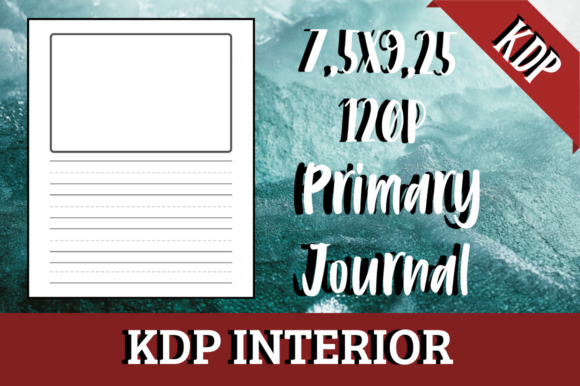
- Trim Size: 7.5 x 9.25 inches
- Page Count: 120 pages
- Bleed: No bleed required
These specifications ensure that your journal is well-formatted and ready for printing, providing a professional and polished look.
Formatting Your Primary Journal
Proper formatting is crucial for a high-quality journal. Here are some key steps to follow:
- Choose the Right Template: Select a template that fits the 7.5 x 9.25 inch trim size. There are many free and paid templates available online.
- Add Lined Pages: Ensure that the lines are evenly spaced and consistent throughout the journal. The standard line spacing is typically 0.5 inches.
- Include a Cover Page: Design an attractive and relevant cover page. This is the first impression potential buyers will have, so make it count.
- Number the Pages: Add page numbers at the bottom of each page. This helps users keep track of their notes and references.
Testing and Finalizing Your Document
Before uploading your journal, it's essential to test and finalize the document:
- Print a Test Copy: Print a few pages to check for any formatting issues, such as misaligned lines or text that is too close to the edge.
- Review for Errors: Carefully review the entire document for any typos, formatting inconsistencies, or other errors.
- Save as PDF: Convert your final document to a PDF file. This ensures that the formatting remains consistent across different devices and platforms.
Variants and Customization
To cater to a wider audience and increase the appeal of your primary journal, consider offering multiple variants. Here are five different types of PDF files you can include:
- Standard Lined Journal: A basic, lined journal with standard spacing and no additional features.
- Dot Grid Journal: A journal with a dot grid pattern, ideal for drawing, sketching, and bullet journaling.
- Graph Paper Journal: A journal with graph paper, perfect for math, science, and technical drawings.
- Blank Journal: A journal with blank pages, suitable for free-form writing, drawing, and sketching.
- Mixed Journal: A journal that combines different types of pages, such as lined, dot grid, and graph paper, to offer versatility.
Preparing for Upload
Once your journal is formatted and finalized, you're ready to upload it to KDP. Follow these steps:
- Create a KDP Account: If you don't already have one, sign up for a KDP account on the Amazon KDP website.
- Upload Your PDF Files: Go to the "Create a New Book" section and upload your PDF files. Make sure to select the correct trim size and other specifications.
- Add Book Details: Fill in the title, author name, description, keywords, and other metadata. This information helps potential buyers find your journal.
- Set Pricing and Royalties: Choose a competitive price and set your royalty rate. KDP offers two royalty options: 35% and 70%.
- Publish Your Journal: Review all the details and click "Publish." Your journal will be reviewed by KDP and, once approved, will be available for sale on Amazon.
Marketing and Promotion
After publishing, it's important to market and promote your primary journal to reach a wider audience. Here are some effective strategies:
- Social Media Marketing: Share your journal on social media platforms like Instagram, Facebook, and Twitter. Use relevant hashtags and engage with your audience.
- Email Marketing: If you have an email list, send out a newsletter announcing the launch of your new journal. Include a link to the Amazon product page.
- Amazon Advertising: Consider using Amazon's advertising tools, such as Sponsored Products, to increase visibility and drive sales.
- Collaborations and Partnerships: Partner with influencers, bloggers, and other creators in your niche to promote your journal. Offer them a free copy in exchange for a review or shoutout.
Conclusion
Creating and publishing a primary journal KDP interior is a rewarding and profitable venture. By following the guidelines and best practices outlined in this article, you can produce a high-quality journal that meets the needs of your target audience. Whether you're a student, professional, or creative, a well-designed primary journal is a valuable tool for organizing and expressing your thoughts. Start your journey today and bring your ideas to life with a beautifully crafted primary journal.