KDP Interior - Plates Recipe Book Template Guide
Creating a low-content book for Amazon KDP requires more than just uploading a generic file; it demands a strategic approach to interior design and user experience. The KDP Interior - Plates Recipe Book offers a streamlined foundation for publishers looking to enter the culinary journal niche without spending dozens of hours on layout design. This specific 6x9 inch, no-bleed template provides a professional starting point that balances aesthetic appeal with functional utility for home cooks and food enthusiasts. By leveraging this pre-formatted interior, creators can focus their energy on branding, marketing, and customization rather than wrestling with margin settings or pagination.
Understanding the Template Architecture
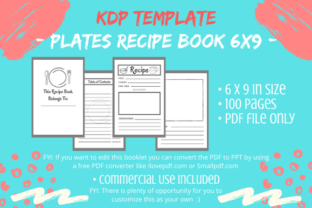
This digital asset is designed specifically for the self-publishing workflow. Delivered as a single PDF file, the interior comprises exactly 100 pages formatted to meet Amazon’s strict printing guidelines for no-bleed publications. Understanding what is inside the package is crucial for maximizing its potential. The structure is intentional, moving beyond simple lined paper to create a cohesive user journey.
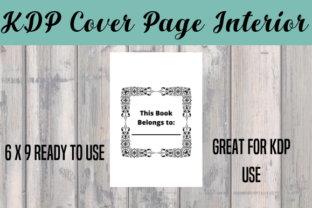
- Title Page: A dedicated space for book ownership and personalization.
- Copyright Page: Essential for protecting your intellectual property and establishing publication details.
- Table of Contents: Four empty TOC pages allow users to organize recipes by category, season, or dietary preference.
- Recipe Layouts: Multiple structured pages designed for recording ingredients, instructions, prep time, and serving sizes.
- Dedicated Notes Sections: Ample space for modifications, family stories, or pairing suggestions.
The 6x9 trim size is arguably the most versatile format for recipe books. It is compact enough to fit in a kitchen drawer or stand upright on a counter, yet large enough to accommodate detailed handwriting and extensive ingredient lists. The no-bleed specification simplifies the printing process and reduces the risk of critical content being trimmed during manufacturing, making it an ideal choice for both new and experienced KDP publishers.
Customization Strategy and Content Safety
Perhaps the most critical aspect of using any pre-made KDP interior is avoiding duplicate content penalties. Amazon’s algorithms are increasingly sophisticated at identifying identical interiors across multiple listings. If you upload this PDF exactly as received, you risk having your book blocked or suppressed. Therefore, treating this KDP Interior - Plates Recipe Book as a malleable base rather than a final product is mandatory for long-term success.
You can easily convert the provided PDF into an editable PowerPoint presentation using free online conversion tools. This step unlocks full creative control. Once converted, consider these practical modifications to ensure uniqueness:
- Alter Page Titles: Change standard headers like "Ingredients" to unique phrases such as "What You'll Need," "Market List," or "Pantry Essentials."
- Add Visual Elements: Integrate royalty-free clip art, floral borders, or minimalist line drawings that align with your specific brand identity.
- Incorporate Value-Add Pages: Insert measurement conversion charts, substitution guides, seasonal produce calendars, or inspirational cooking quotes.
- Modify Layout Structure: Delete pages that don't serve your niche or add specialized sections for meal planning, grocery budgeting, or allergy tracking.
Always create a duplicate copy of the original file before beginning edits. Preserving the master file ensures you have a clean reference point for future projects or troubleshooting. This practice not only safeguards your purchase but also streamlines the creation of subsequent variations in your publishing portfolio.
Practical Applications Across Niches
While the core function is recording recipes, the versatility of this template extends far beyond a standard cookbook. Professionals, educators, and hobbyists can adapt this interior to serve distinct audiences with specific needs. The key to profitability lies in niching down and tailoring the content to solve particular problems.
For Health and Wellness Coaches: Transform the notes sections into macro-tracking areas or symptom journals. A recipe book tailored for anti-inflammatory diets, diabetic meal planning, or postpartum nutrition offers significantly higher perceived value than a generic option. You might add pages for tracking how specific foods affect energy levels or digestion.
For Educators and Homeschoolers: Cooking is a practical application of math, science, and cultural studies. Adapt this KDP Interior - Plates Recipe Book into a learning journal where students document the chemistry of baking, fraction conversions, or family heritage recipes. Adding educational prompts or historical context about ingredients turns a simple notebook into a curriculum supplement.
For Gift Market Creators: Personalized recipe journals remain popular gifts for weddings, housewarmings, and holidays. By adding elegant typography, monogram spaces, or themed illustrations, you can position this book as a premium keepsake. Consider creating versions specifically for newlyweds, college students learning to cook, or retirees documenting family traditions.
Evaluating Quality and User Experience
When selecting or modifying a KDP interior, usability should drive every design decision. Home cooks use these books in active environments where spills, quick references, and multitasking are common. The layout must support real-world usage rather than just looking attractive on screen.
Evaluate the writing space critically. Are the lines spaced appropriately for average handwriting? Is there sufficient room for longer ingredient lists commonly found in baking recipes? Does the binding margin account for the fact that a thick book won't lay perfectly flat? These micro-decisions determine whether a customer leaves a five-star review praising the functionality or a one-star complaint about cramped spacing.
The inclusion of four Table of Contents pages is a significant usability feature. Many competing templates offer only one or two pages, which quickly becomes insufficient for avid cooks who accumulate hundreds of recipes over years of use. This generous allocation demonstrates thoughtful design that anticipates the user's long-term needs.
Maximizing Commercial Viability
Success with this template requires viewing it as one component of a broader publishing strategy. The cover design carries equal weight to the interior in driving sales. Since this package does not include a cover, invest time in creating complementary artwork that signals quality and relevance. Your cover should visually communicate the specific niche you've targeted through interior customization.
Consider the competitive landscape when positioning your version of the KDP Interior - Plates Recipe Book. Search Amazon for existing recipe journals and identify gaps. Perhaps competitors lack adequate notes sections, or their layouts feel outdated. Use these observations to inform your customization choices. Adding unique features that address identified pain points creates differentiation in a crowded marketplace.
Pricing strategy should reflect the value added through customization. A minimally modified template warrants a lower price point, while extensively enhanced versions with specialized content, beautiful illustrations, and thoughtful extras can command premium pricing. Remember that customers are purchasing a solution to their organizational needs, not just blank pages.
Finally, maintain realistic expectations about the editing process. Converting PDFs to PowerPoint occasionally results in formatting shifts that require manual correction. Budget time for quality assurance checks before publishing. Verify margins, test print sample pages, and ensure all text remains within safe zones. This diligence prevents costly reprints and protects your reputation as a publisher.
This KDP Interior - Plates Recipe Book represents a practical balance between efficiency and customization potential. When approached strategically—with careful attention to uniqueness, user experience, and niche targeting—it serves as a reliable foundation for building a sustainable low-content publishing business. The template handles the technical specifications, freeing you to focus on creating genuine value for your target audience.