Outfit Planner KDP Interior: A Comprehensive Guide for Your Low or No Content Business
Welcome to the world of Outfit Planners, a versatile and creative tool that can significantly enhance your low or no content business. Whether you're a seasoned entrepreneur or just starting out, this guide will help you understand the purpose, significance, and practical applications of Outfit Planners in the modern publishing landscape.
Understanding Outfit Planners
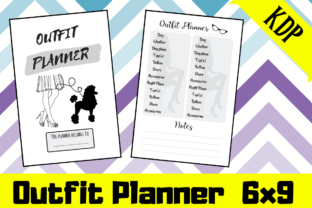
An Outfit Planner is a type of low or no content book designed to help users plan and organize their outfits. These planners are typically filled with templates, checklists, and prompts that make it easy for individuals to manage their wardrobe and style choices. They are perfect for anyone looking to streamline their daily routine, prepare for special events, or simply enjoy a more organized approach to fashion.
The Purpose and Significance of Outfit Planners
Outfit Planners serve several key purposes:
- Organization: They help users keep track of their clothing items, accessories, and seasonal outfits, making it easier to plan what to wear each day.
- Time Management: By pre-planning outfits, users can save time in the morning, reducing stress and increasing productivity.
- Creativity: Outfit Planners encourage creativity by providing a structured yet flexible way to experiment with different styles and combinations.
- Personalization: Users can customize their planners to reflect their unique tastes and preferences, making the experience both practical and enjoyable.
Practical Relevance in Modern Life
In today's fast-paced world, where time and efficiency are highly valued, Outfit Planners offer a simple yet effective solution to a common challenge. They are particularly useful for:
- Busy Professionals: Individuals who need to look polished and put-together every day can benefit from having their outfits planned in advance.
- Students: Students with busy schedules can use these planners to ensure they always have the right outfit for classes, exams, and social events.
- Fashion Enthusiasts: Those who love fashion and want to experiment with different looks can use Outfit Planners to keep track of their favorite combinations and new ideas.
- Travelers: People who frequently travel can use these planners to pack efficiently and ensure they have appropriate outfits for various occasions.
Creating Your Own Outfit Planner KDP Interior
Amazon's Kindle Direct Publishing (KDP) platform offers a fantastic opportunity to create and publish your own Outfit Planner. Here’s how you can do it:
Step 1: Conceptualize Your Planner
Start by brainstorming the features and sections you want to include in your Outfit Planner. Consider the following elements:
- Weekly and Monthly Calendars: For planning outfits over longer periods.
- Checklists: For tracking essential items like undergarments, shoes, and accessories.
- Blank Templates: For sketching and designing outfits.
- Seasonal Sections: To plan outfits for different seasons and weather conditions.
- Notes Pages: For jotting down ideas, shopping lists, and other important information.
Step 2: Design and Layout
Once you have a clear idea of the content, it’s time to design your planner. You can use graphic design software like Adobe InDesign, Canva, or even Microsoft Word to create your pages. Ensure that your design is clean, visually appealing, and user-friendly. Here are some tips:
- Consistent Typography: Use a consistent and readable font throughout the planner.
- Color Scheme: Choose a color scheme that is visually pleasing and aligns with the theme of your planner.
- Page Layout: Organize the content in a logical and intuitive manner, making it easy for users to navigate.
- High-Quality Graphics: Use high-resolution images and graphics to enhance the visual appeal.
Step 3: Formatting for KDP
Formatting your Outfit Planner correctly is crucial for a professional and polished final product. Here are the key steps:
- Trim Size: Set your document to the standard 6 x 9 inch trim size, which is popular for planners and journals.
- No Bleed: Since there is no bleed, ensure that all content is within the margins to avoid any printing issues.
- Page Count: Aim for a total of 120 pages, which provides ample space for users while keeping the cost manageable.
- PDF Files: Create four different variants of PDF files, each tailored to specific needs or preferences. This variety can help cater to a broader audience.
Step 4: Testing and Finalizing
Before uploading your Outfit Planner to KDP, it’s essential to test the document thoroughly. Print a sample copy to check for any formatting issues, readability, and overall quality. Make any necessary adjustments to ensure that the final product meets your standards.
Uploading and Publishing Your Outfit Planner on KDP
Once your Outfit Planner is ready, follow these steps to upload and publish it on Amazon KDP:
- Create an Amazon KDP Account: If you don’t already have one, sign up for a free KDP account.
- Upload Your Document: Go to the KDP dashboard and select “Create a New Title.” Follow the prompts to upload your PDF file.
- Add Metadata: Fill in the required metadata, including the title, author name, description, and keywords. Use relevant and descriptive keywords to improve discoverability.
- Set Pricing and Royalties: Determine the price of your Outfit Planner and set your royalty rate. Consider the market and your target audience when setting the price.
- Publish: Review all the details and click “Publish.” Your Outfit Planner will be available on Amazon within 24-48 hours.
Marketing and Promoting Your Outfit Planner
Once your Outfit Planner is published, it’s time to start marketing and promoting it. Here are some effective strategies:
- Social Media: Share your Outfit Planner on platforms like Instagram, Facebook, and Twitter. Use visually appealing images and engaging captions to attract potential buyers.
- Email Marketing: Build an email list and send out newsletters to inform subscribers about your new product. Offer exclusive discounts or free samples to entice them to purchase.
- Amazon Advertising: Utilize Amazon’s advertising tools to promote your Outfit Planner. Target specific keywords and demographics to reach your ideal audience.
- Collaborations: Partner with influencers, bloggers, and other creators in the fashion and lifestyle niches. Collaborations can help you reach a wider audience and build credibility.
- Customer Reviews: Encourage satisfied customers to leave positive reviews on Amazon. Positive reviews can significantly boost your sales and visibility.
Conclusion
Creating and publishing an Outfit Planner on KDP is a rewarding and potentially profitable venture. By following the steps outlined in this guide, you can produce a high-quality, user-friendly planner that meets the needs of your target audience. Remember to focus on creating a well-designed, functional, and visually appealing product, and to market it effectively to maximize its success. Happy publishing!